How Medical Clinics Can Manage Inventory More Effectively

Medical inventory touches every aspect of patient care. A clinic runs out of sterile gloves during an exam. A small practice discovers expired vaccines that need to be discarded.
Most clinics deal with these situations more often than they admit—and these issues can affect patient safety, wasted budget dollars, and interrupt care.
Week to week, healthcare providers wrestle with the same questions: what to order, when to reorder them, and how to avoid the cycle of shortages and expired supplies. This article offers a practical look at how clinics, urgent care centers, and independent practices can rethink inventory, what systems and methods work well, and how tools likes BoxHero can help bring real-time visibility and control to inventory processes.
Why Medical Inventory Needs a Different Approach
Healthcare inventory management presents challenges that don't exist in other industries. In a clinic or healthcare setting, inventory represents:
- Patient care essentials such as sterile gloves, syringes, and wound dressings
- Medications with strict expiry dates
- Equipment and durable goods that support procedures and diagnosis
Medical supplies differ from typical retail inventory in several ways. Pharmaceuticals expire, often within months. Regulations require specific storage conditions, detailed documentation, and immediate recalls. On top of that, patient demand is unpredictable.
A flu outbreak can wipe out an entire stock of rapid tests in a few days, even when ordering patterns looked reasonable the week before.
Research on perioperative environments has found that operating rooms (ORs) account for a large share of hospital waste, much of it caused by unused supplies that expire before they are ever used. This creates risks for both patient safety and regulatory compliance.

And unlike consumer goods, running out of a critical supply isn't just an inconvenience. It can delay treatments, force clinicians to use less effective substitutes, or require last-minute emergency orders at significantly higher cost.
Common Inventory Challenges Facing Healthcare Providers
A. Manual Tracking
Many clinics still rely on spreadsheets, handwritten logs, or disconnected systems across departments. These manual approaches make current inventory data difficult to trust. Staff record usage and orders inconsistently, creating gaps in documentation that accumulate over time.
B. Expirations and Waste
Healthcare items routinely have limited shelf lives. Vaccines expire within months. Certain medications require refrigeration and lose potency quickly. Without accurate tracking and alerting mechanisms, expirations are easy to miss.
Once products expire, facilities must dispose of them properly. That adds disposal costs on top of the original purchase and turns unused supplies into expensive waste, along with potential compliance concerns.
C. Product Code Inconsistency
Manufacturers sometimes assign different codes to identical products. National Drug Codes can also change after expiration dates.
These inconsistencies lead to duplicate entries, pricing confusion across vendors, and difficulty confirming that received shipments match what was ordered. Over time, inventory systems fill with near-identical items that make reporting and forecasting less reliable.
D. Demand Variability
Patient volumes vary by season, local health trends, and other unpredictable factors. A primary care clinic might stock dozens of vaccine types, each with its own storage requirements and expiration timelines.
Estimating how many doses will be needed weeks or months ahead is difficult without clear historical data.

E. Regulatory Requirements
Healthcare inventory is also subject to strict oversight. Clinics must meet regulatory standards for medications and medical equipment handling:
- The FDA requires specific tracking for medical devices through Unique Device Identification labels.
- The DEA mandates strict documentation for controlled substances, including ongoing inventory records and biennial counts.
Inaccurate inventory records can complicate compliance with these authorities. During audits or inspections, facilities must show detailed documentation showing what they purchased, how they stored it, who accessed it, and how they used or disposed of it.
Inventory Management Fundamentals for Clinics
Inventory works better in clinics when the basics are clear. Teams can see what they have, where it lives, and what needs attention soon.
A few practices make the biggest difference:
➤ Clear Inventory Categorization and Naming
Every clinic should standardize how it names and categorizes supplies. Inconsistent names or SKU codes create confusion and can lead to duplicate purchases or missed restocks.
Standard naming conventions make inventory easier to review, improve accuracy in counts and analytics, and help when integrating with software systems.
➤ Tracking Expiration Dates
Medical supplies aren’t like retail products. Expired items aren’t just a waste; they can create risk to patients and compliance issues.
Implement a first-in, first-out (FIFO) system where newer stock goes behind older inventory. Label everything clearly with expiration dates, group similar items together, and designate specific locations for each product type.
 BoxHero
➤ Relationships with Multiple Suppliers
Relying on a single vendor for critical supplies leaves clinics vulnerable when delays or shortages occur. It's important to have backup suppliers for flexibility.
Strong vendor relationships also tend to pay off over time. Suppliers who know a clinic well are more likely to communicate changes early, offer priority during shortages, or provide better pricing when possible. The supply disruptions during the COVID-19 pandemic made this reality clear for many small practices.
➤ Minimum Safety Levels
Clinics can also benefit from defining minimum stock thresholds for essential items. When inventory drops below that level, automated alerts should notify staff to reorder before the supplies runs out.
These thresholds should be based on actual usage data, supplier lead times, and available storage space. Seasonal items like flu vaccines or allergy medications usually need to be reviewed and adjusted several times a year.
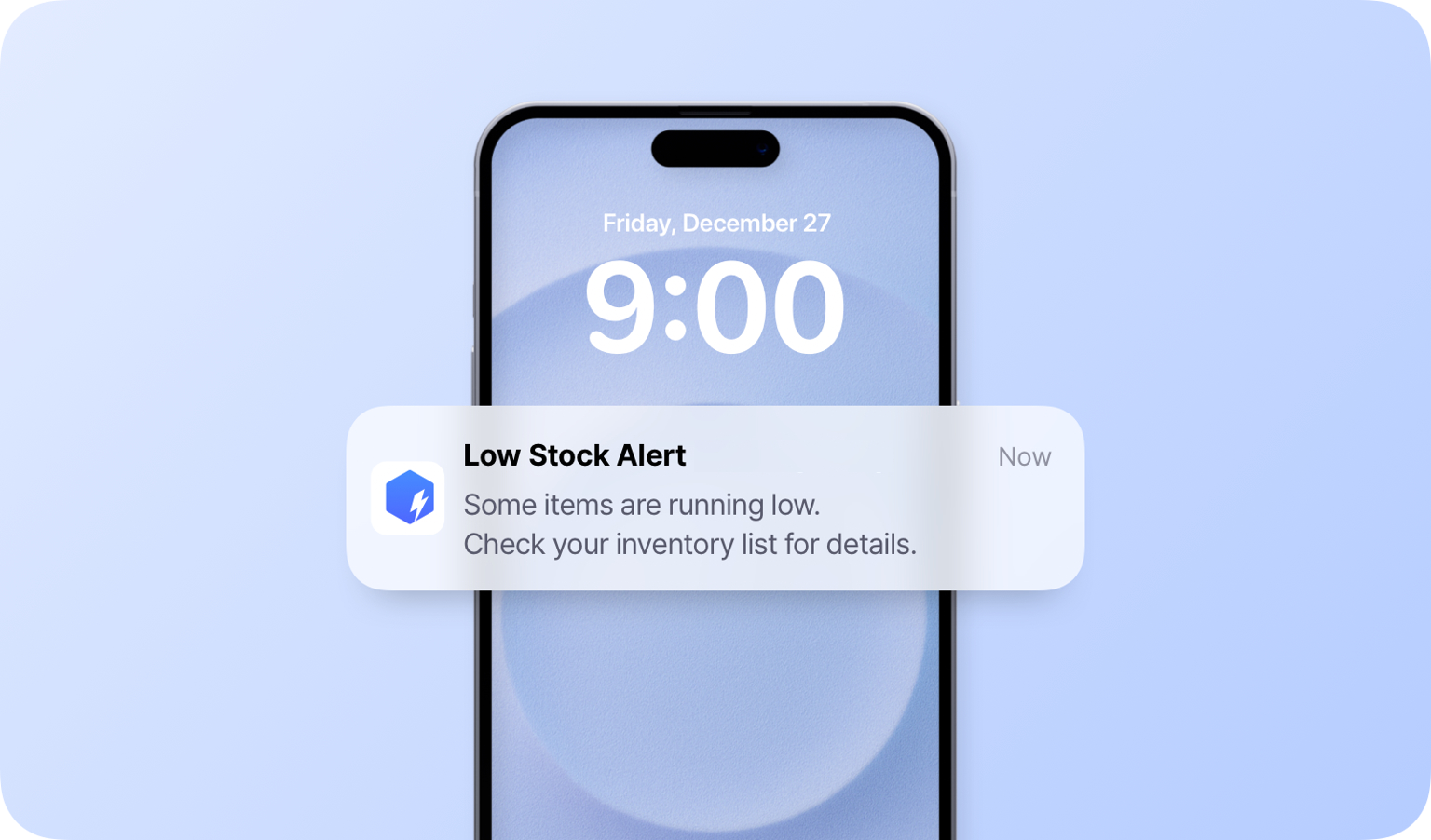
For example, a dermatology practice might keep a minimum of 50 units on hand for commonly prescribed topical medications, with a reorder point at 20 units. That buffer supports normal demand while limiting excess stock that could expire.
Choosing Inventory Software for Medical Clinics
For many clinics, Excel sheets work at fist. Over time, updates get missed, versions conflict, and no one is fully confident that the numbers. That’s usually the point where clinics start looking for something more reliable.
Key advantages of dedicated inventory software include:
1. Real-Time Visibility
Inventory software updates counts as items are received, used, or moved. Staff can see not just what exists somewhere in the clinic, but what’s actually available to use or transfer.
Tools like BoxHero make this information accessible on both desktop and mobile, so staff don’t have to be in the supply room to check stock levels.


2. Automated Alerts and Reordering
Software can notify alerts staff when supplies reach predefined safety levels or when items are nearing expiry. Instead of discovering shortages during an exam or finding expired items during a cleanup, clinics get advance notice and time to respond.
3. Collaboration and Accountability
When everyone works from the same system, communication about stock levels, orders, and counts becomes more transparent. Staff can collaborate from the same data, which cuts down on misplaced requests or duplicate orders.
Cloud-based access also means authorized staff can check inventory or place orders without being physically present in a specific location.
4. Audit & Compliance
Inventory software also creates a record of activity over time. Logs show when items were counted, adjusted, ordered, or removed, and by whom. This traceability helps clinics stay prepared for audits, inspections, or compliance reviews.
As clinics need to show clear documentation around purchasing, storage, and disposal, having this information readily available reduces stress and shortens preparation time when reviews come up.

BoxHero is designed for small and mid-sized teams that want straightforward inventory control. Features like barcode scanning, real-time tracking, and multi-user access help clinics get visibility quickly, without long setup timelines or heavy customization.
➤ For medical practices looking to move past spreadsheets, BoxHero's approach focuses on getting essential features up and running quickly.
 BoxHero
Looking Forward
Healthcare inventory management will keep changing. Technologies like RFID tags enable automatic tracking without manual scanning. Artificial intelligence improves demand forecasting by analyzing complex patterns across multiple variables.
For medical clinics and healthcare facilities, inventory management is all about building reliable processes that prevent shortages, reduce waste, and give clinical staff confidence in what’s available when they need it.
Inventory may never be the most visible part of running a clinic, but it supports nearly every aspect of care. Tools like BoxHero help clinics maintain that visibility making day-to-day supply decisions easier to manage and easier to trust.
RELATED POSTS
 BoxHero
 Nahi Kim
 BoxHero