The Real Cost of Ignoring Expiration Dates in Your Food Business
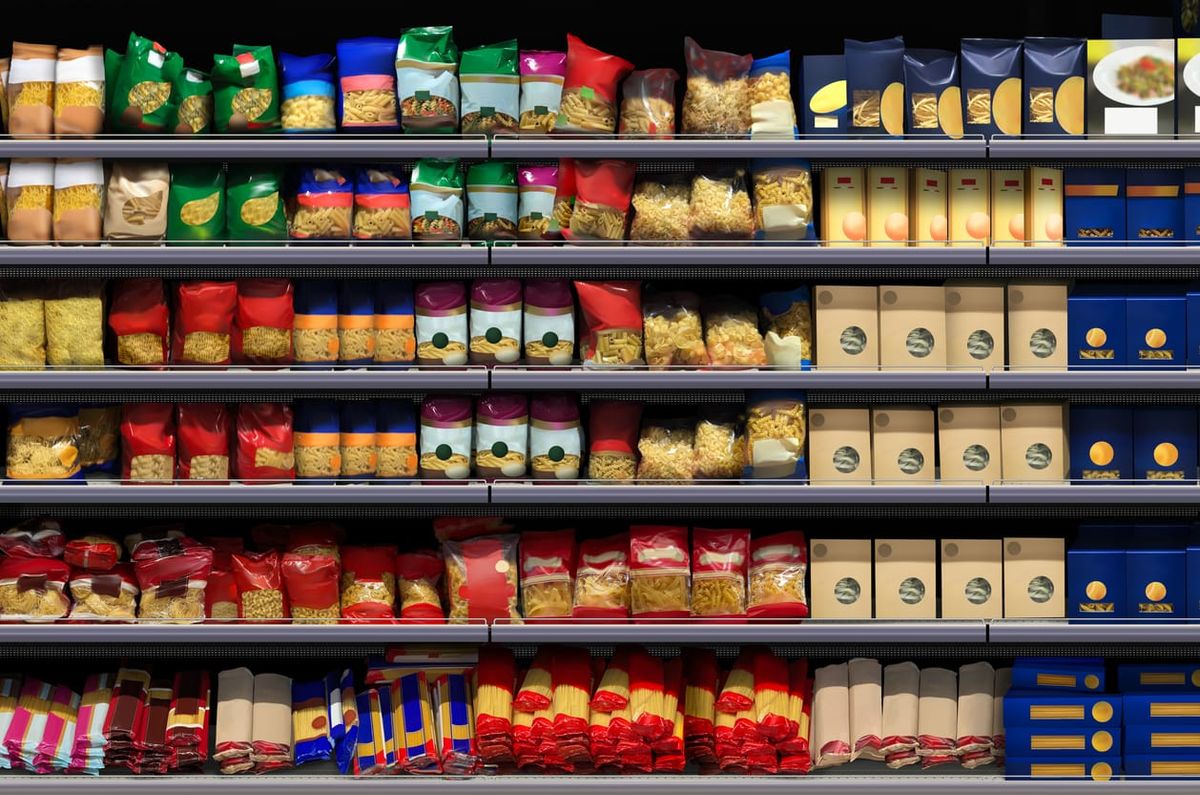
Food and beverage (F&B) companies face a distinct challenge from nearly every other industry: their products have a built-in deadline. Unlike electronics, clothing, or furniture, food items carry expiration dates that determine whether they can be sold, consumed, or must be discarded.
The expiration date problem cuts across the entire food and beverage sector. Grocery stores, restaurants, food manufacturers, distributors, and beverage producers all grapple with the same fundamental issue—products lose value rapidly and become worthless past a certain date.
Understanding how to track, rotate, and manage these time-sensitive items reduce waste across food inventory and helps businesses limit losses tied to expired stock.
Expiration: More Than Just Waste
Expired items represent money already spent that cannot be recovered. Unlike excess non-perishables that can remain in storage, expired food becomes legally unsellable in most cases.
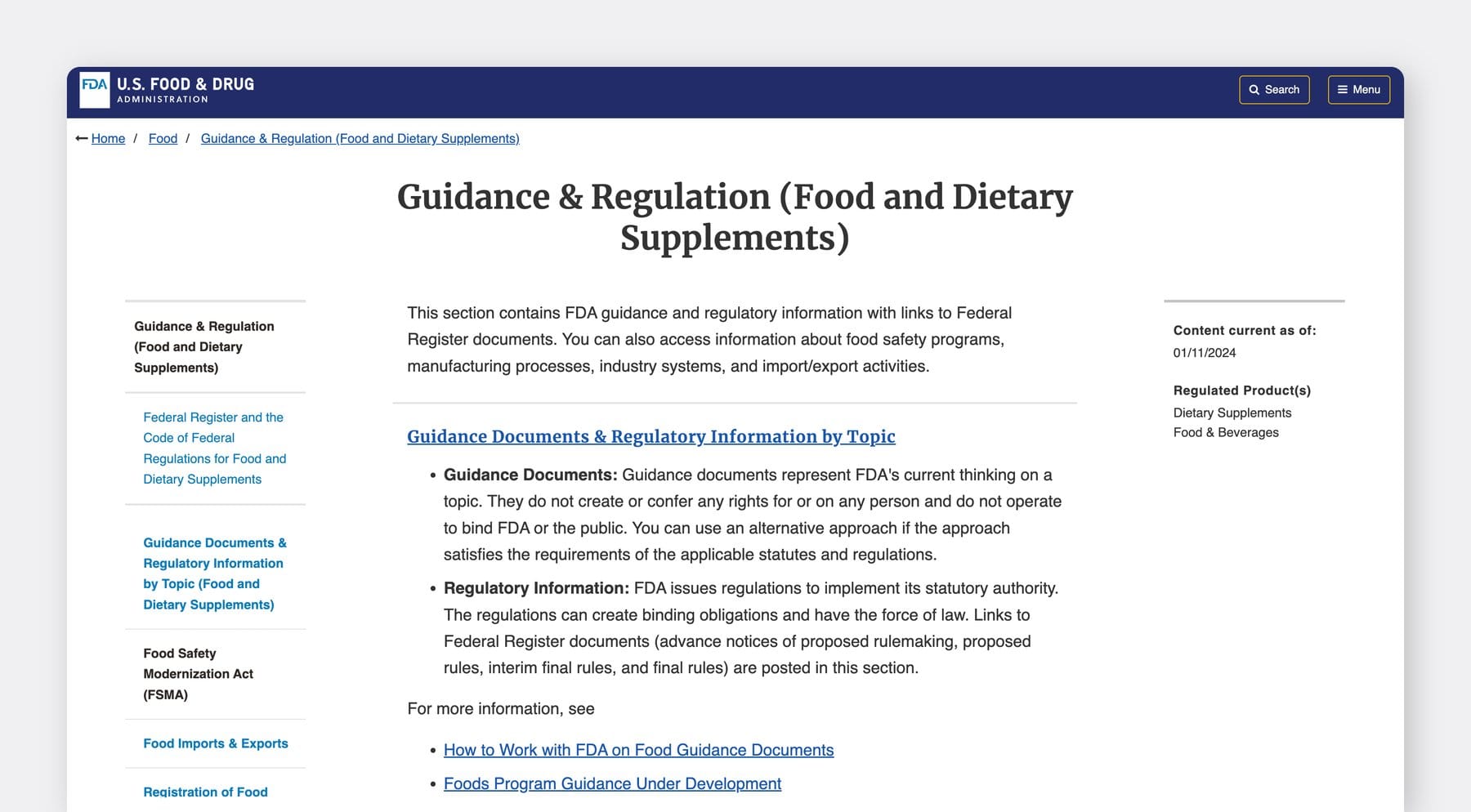
Poor date tracking also creates regulatory exposure. The U.S. Food and Drug Administration has repeatedly cited improper stock rotation and expired ingredients as contributing factors in enforcement actions. A pattern of expiration date management failures shows up in inspection reports, reflecting broader concerns about food safety practices.
The financial impact goes beyond the cost of discarded inventory. Disposal fees, labor time spent handling waste, and lost revenue from items that could have been sold all compound the losses from inadequate date tracking.
Managing these risks starts with understanding what the dates on your products actually indicate. Not all date labels mean the same, and the distinctions matter for both compliance and waste reduction.
Understanding Different Date Labels
Most food businesses encounter four main date labels, each with specific meanings that determine how inventory should be handled.
1. Use By Dates
Use-by dates represent the last date recommended for product use at peak quality. The USDA applies this primarily to perishable items, like ready-to-eat foods, dairy, fresh meats. After this date, food safety becomes questionable.
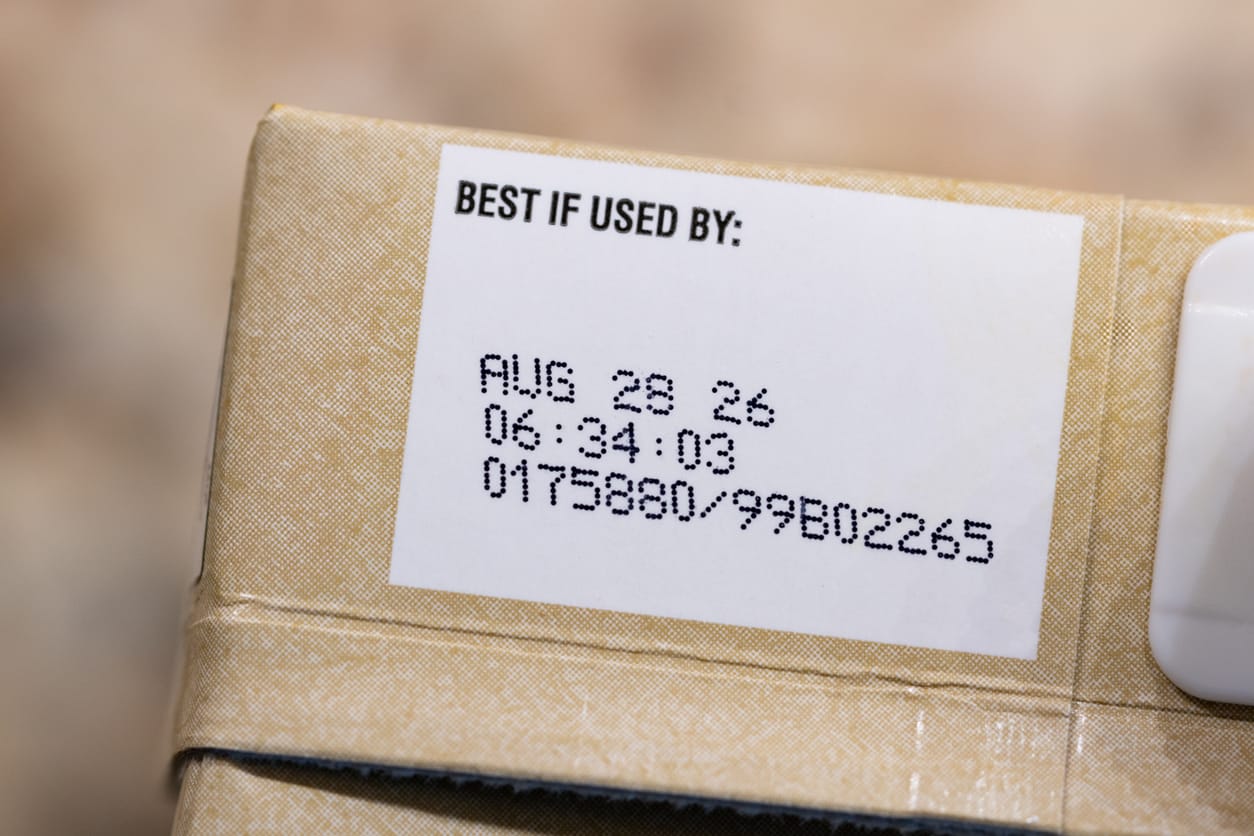
2. Best By Dates
Best-by dates (or best-before dates) relate to quality rather than safety. Foods remain safe to consume after this date, but manufacturers cannot guarantee optimal taste or texture. Cereal might lose crispness, cookies might become stale, and spices might lose potency.
3. Sell By Dates
Sell-by dates are intended for retailers, not consumers. They tell how long a product should remain on shelves. These dates build in time for consumers to store and use products at home. Milk, for example, typically includes several days of safe consumption time after the sell-by date when properly refrigerated.
4. Expiration Dates
Expiration dates mark the final date a product should be consumed or used. Baby formula and certain medications carry these dates, which carry regulatory weight.
Different date types require different documentation approaches, and inspectors look for evidence that businesses understand which dates demand immediate action versus which allow flexibility.
Regulatory Compliance and Record Keeping
Food safety regulations expect businesses to document how expiration dates are handled. These records serve two purposes. 1) They support day-to-day controls, and 2) they provide evidence during inspections or investigations.
Under the FDA Food Safety Modernization Act, facilities must show that they monitor and manage hazards related to storage and handling. For perishable inventory, inspectors look for:
- Clear labeling of prepared or repackaged items
- Consistent stock rotation practices, such as FIFO or FEFO
- Records showing when items were received or produced
- Defined procedures for identifying and removing expired goods

In practice, handwritten labels and spreadsheets remain common, but they are also among the first things inspectors question when records conflict or appear incomplete.
Effective expiration date record keeping usually includes the following:
- Disposal logs to document what was discarded and why. Proves due diligence during health inspections and provide data for waste reduction.
- Temperature logs confirm that storage conditions matched requirements throughout products' shelf lives. Important during foodborne illness investigations or quality complaints.
- Receiving records to show the condition and dates of products at the time they arrived. They protect businesses when supplier issues cause premature spoilage or when products arrive already near expiration.
- Recall documentation proves the ability to identify and remove affected products quickly. Tracing expiration dates alongside lot numbers demonstrates control over inventory.
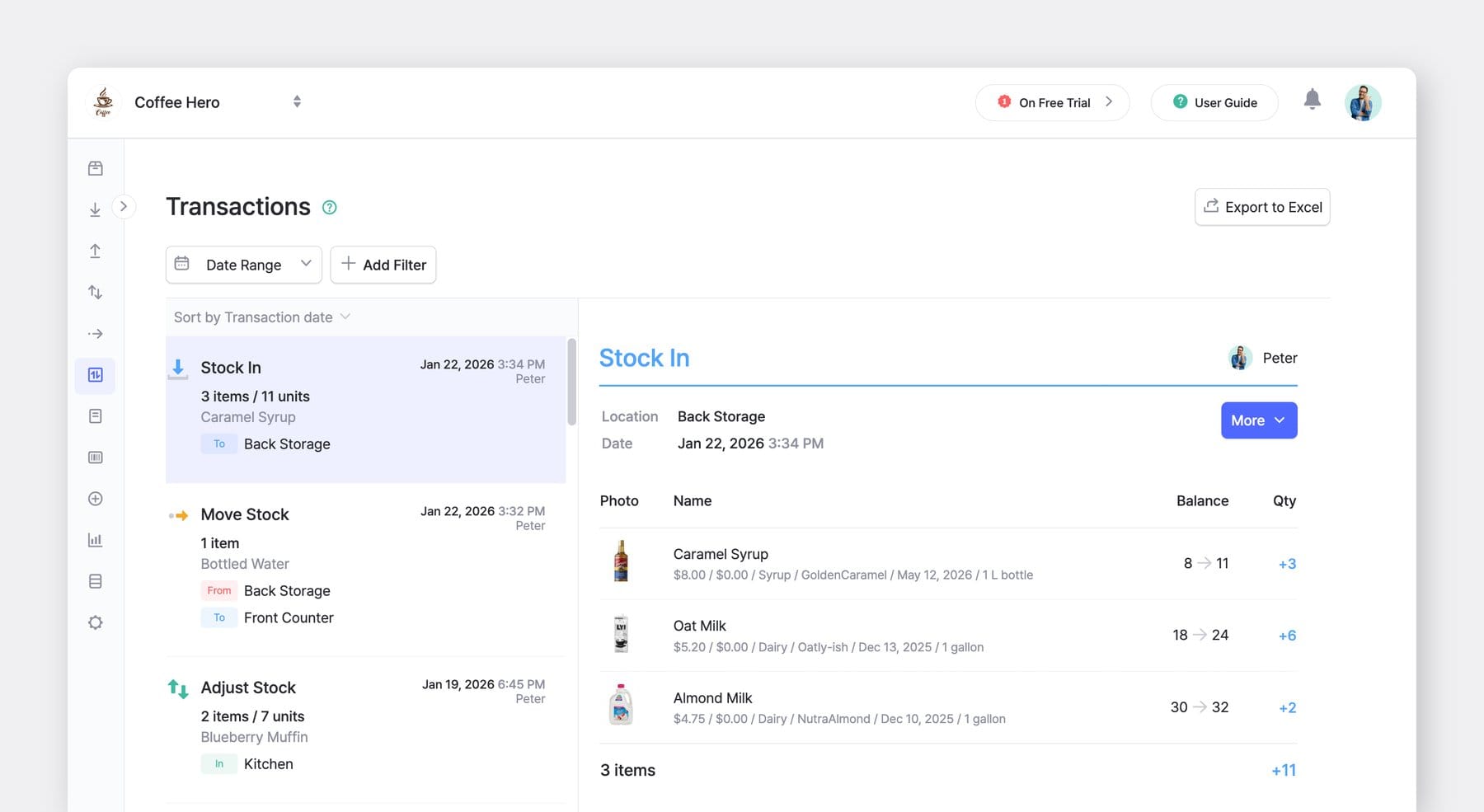
- Audit trails in inventory management systems create automatic compliance documentation. Tools like BoxHero maintains histories of all transactions, showing when items were received, moved, and removed from inventory, along with their associated dates.
FIFO and FEFO in Food Inventory
Once expiration dates are clearly labeled and documented, rotation determines whether those dates are respected in practice. FIFO and FEFO are the two primary rotation methods used in food inventory.
➤ FIFO (First In, First Out) remains the most widely used method in food environments. It prioritizes items based on receipt date, and assumes items received earlier should be used or sold earlier.
➤ FEFO (First Expired, First Out) provides more precision for expiration-sensitive inventory. Instead of prioritizing by receipt date, FEFO prioritizes by actual expiration date. It's useful when the same product arrives with varying dates, or when different products need to be used in a specific sequence based on their remaining shelf life.
The Global Food Safety Initiative recognizes FEFO as a recommended practice for managing perishable inventory, particularly in environments where receipt dates and expiration dates don't always align predictably.
 BoxHero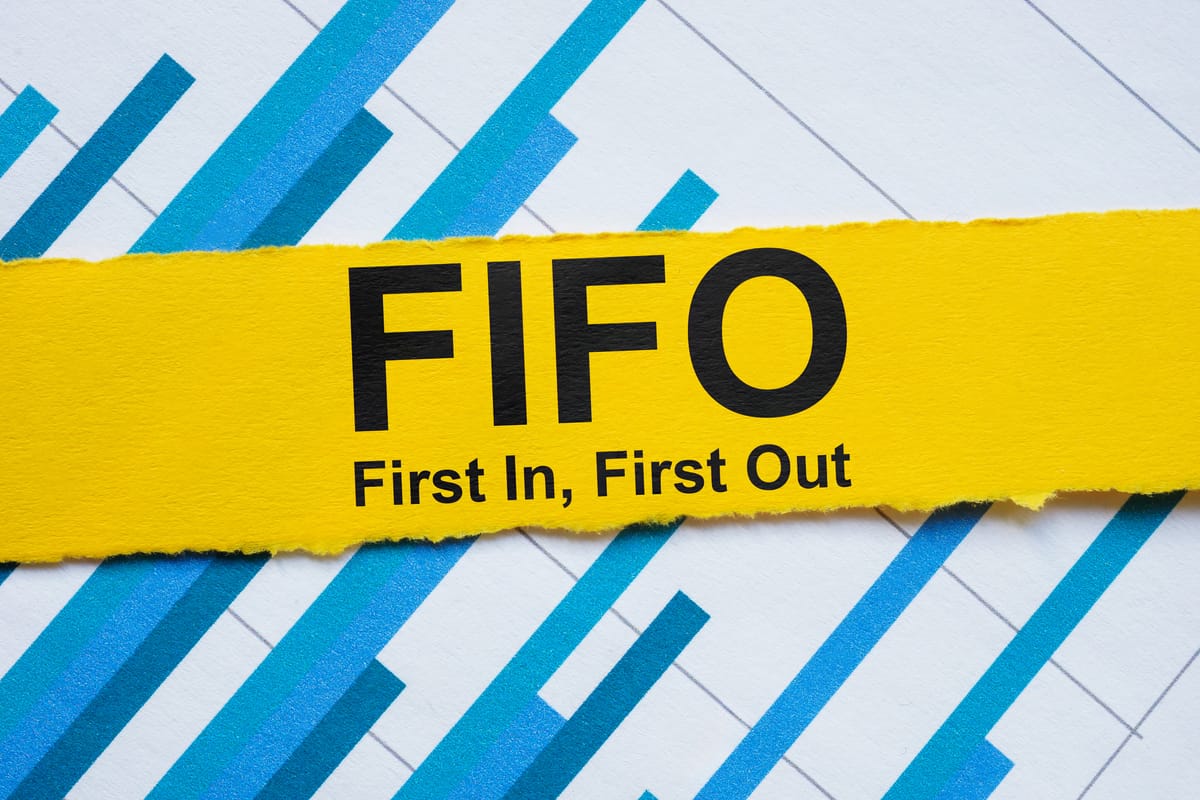
FIFO and FEFO in Practice
Now, keep in mind that rotation methods only work when physical handling matches the intended rule. FIFO and FEFO fail less because teams misunderstand them and more because storage and receiving practices do not support them.
Storage areas must make rotation obvious. Older inventory needs to remain accessible, with newer inventory placed behind it. Some facilities use gravity-fed shelving to maintain order, but clear placement rules are just as important.
Receiving is the most common failure point. Deliveries often arrive during busy periods, and inventory is put away quickly wherever space opens up. When newer stock is placed in front of older stock, earlier inventory is buried until it expires.
- FIFO works best when products within a category share similar shelf lives and suppliers deliver consistent remaining shelf life.
- FEFO becomes necessary when shelf life varies between deliveries. Two cases received days apart can expire weeks apart. FEFO prevents situations where newer inventory is used while older-dated items remain in storage.
Expiration control starts at receiving. Staff should confirm expiration dates on arrival and flag or reject products that arrive with limited remaining shelf life. Accepting inventory that expires soon creates immediate risk, particularly for slower-moving items. Other best practices:
- Visual cues. Color-coded labels tied to receiving dates or grouping inventory by expiration windows, such as items requiring use within 30, 60, or 90 days, help staff identify priority stock without reviewing every label.
- Accurate records. Documentation must align with physical inventory. When receiving logs and shelf dates don't match, expired items are usually discovered during inspections or disposal, after any opportunity to use them has passed.
Many small businesses apply FEFO informally by scanning dates during picking. Digital inventory systems make this logic consistent across locations and staff, while preserving expiration and movement history that supports both rotation and compliance.


 BGPworks
Conclusion
Expiration dates shape how food inventory must be handled. Once a date passes, products lose their ability to be sold or used, and the cost is absorbed immediately.
Managing expiration dates requires more than labeling. It depends on clear understanding of date types, consistent rotation, accurate records, and systems that reflect how inventory actually moves. Inventory control comes down to what happens at receiving, how products are stored and rotated, and how regularly expiration dates are reviewed before they become a problem.
Done right, expiration tracking means less food getting wasted and more of it reaching customers on time.
RELATED POSTS
 BoxHero
 BoxHero
 Ekaterina Glozshtein