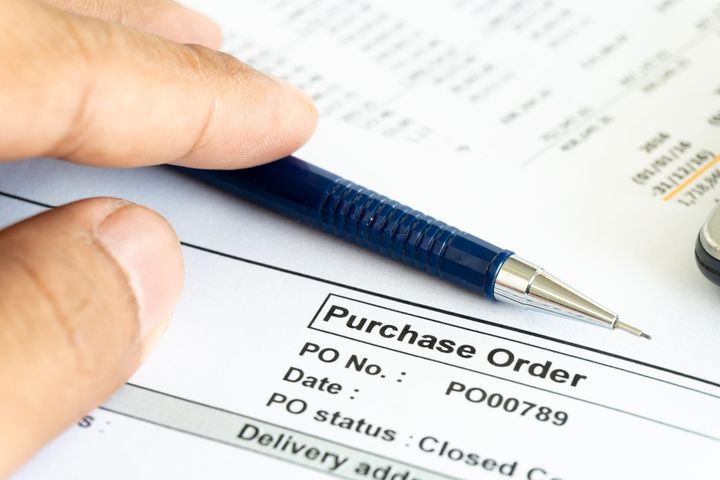
Cash Flow Management for Small Businesses: 8 Methods

Half of U.S. small businesses run into cash flow trouble. The Federal Reserve's 2024 Small Business Credit Survey found that 51% of small employer firms named uneven cash flow as a financial challenge, and 56% named paying regular bills like payroll, rent, and inventory.
A business can post a profit on its income statement and still miss payroll the same week. This guide covers what cash flow is, why the number in your accounting software can differ from the balance in your bank account (we're looking at you, QuickBooks), and eight methods you can put in place this month.
What Is Cash Flow?
Cash flow is the money moving in and out of your business over a set period. Money comes in from sales, loans, and owner deposits. Money goes out for payroll, rent, supplier invoices, taxes, interest, and inventory purchases.
When more comes in than goes out over the period, cash flow is positive (+). When more goes out, it's negative (-).
Small businesses feel a shortfall faster than large ones. A single slow month or one late-paying customer can leave you short on the day rent is due.
Profit on Paper vs. Cash in the Bank
Your income statement can show a profit for the month while your bank balance falls. Two accounting mechanics explain most of the difference.
Credit sales. A sale on net-30 terms records as revenue the day you send the invoice. The payment arrives up to a month later. QuickBooks' 2025 Late Payments Report found that 56% of U.S. small businesses are currently owed money on unpaid invoices, at an average of $17,500 each. Nearly half have invoices more than 30 days past due.
Inventory. Buying stock takes cash out of your account now, but it doesn't count as an expense until the item sells. The money stays in your stockroom as unsold product. A month of heavy restocking can post a solid profit and a lower bank balance at the same time.
A company can carry both conditions at once: profitable on its books, and short of the cash to cover payroll, rent, and suppliers.

8 Ways to Manage Cash Flow
1. Check Your Accounts on a Set Schedule
Cash that only moves between bank accounts is easy to lose track of. Pick a fixed schedule (weekly for most small businesses), and review every deposit and withdrawal against a written record. A spreadsheet with dates, amounts, and categories works fine.
2. Keep Suppliers on Your Side
Suppliers who trust you are more likely to extend your payment terms when cash is short. That trust builds over months of paying on the dates you agreed to, so give each supplier a single point of contact and tell them as soon as you know a payment will be late.
3. Build a Routine for Collecting Unpaid Invoices
Credit sales delay cash you've already earned. When credit terms are unavoidable, run every invoice through the same steps:
- Record the customer, amount, and due date when you issue the invoice.
- Send a reminder 2 to 3 days before the due date.
- Confirm the payment cleared on the due date.
- Call the same day a payment is late and confirm a new date.
- For accounts that stay overdue, send written notice each week. Decide in advance at what point you hand the account to a collections agency or attorney.
4. Put Your Outgoing Payments on a Schedule
Paying each invoice as soon as it arrives makes your balance hard to predict. Set fixed payment dates with each supplier, such as the 1st and the 15th. You know ahead of time how much leaves your account and when.
Fixed dates also cut down on one-off transfers.
5. Line Up Credit Before Your Numbers Slip
Lenders approve credit more readily when your revenue is steady and your balance is healthy. A line of credit or a higher card limit is much harder to get once cash is already short, so apply while your finances still look strong. Leave the credit unused until you need it and watch your repayments – a missed one raises your interest rate and lowers your credit score.

6. Cancel Recurring Charges You Don't Use
Review your statements each quarter for charges you no longer need. Common ones to check:
- Rent on storage or office space you've stopped using
- Software subscriptions no one logs into
- Service contracts on equipment you no longer run
- Ad campaigns still charging after they've ended
- Reimbursements submitted without a receipt
7. Hold an Emergency Reserve
Tax bills, equipment repairs, and slow months arrive without much warning. A reserve account covers them without a rushed loan. Move 5% to 10% of every deposit into a separate account and top it up each quarter to hold it at a level you set in advance.
The JPMorgan Chase Institute reviewed 470 million transactions from 597,000 firms and found the median small business holds 27 days of cash buffer. Restaurants and retailers hold closer to 19.
8. Free Up the Cash Tied Up in Stock
Inventory is cash you've already paid out and haven't earned back through sales. It loses value the longer it goes unsold, and some of it eventually ends up written off. Holding inventory at the level your sales actually support returns that cash to payroll and new orders.
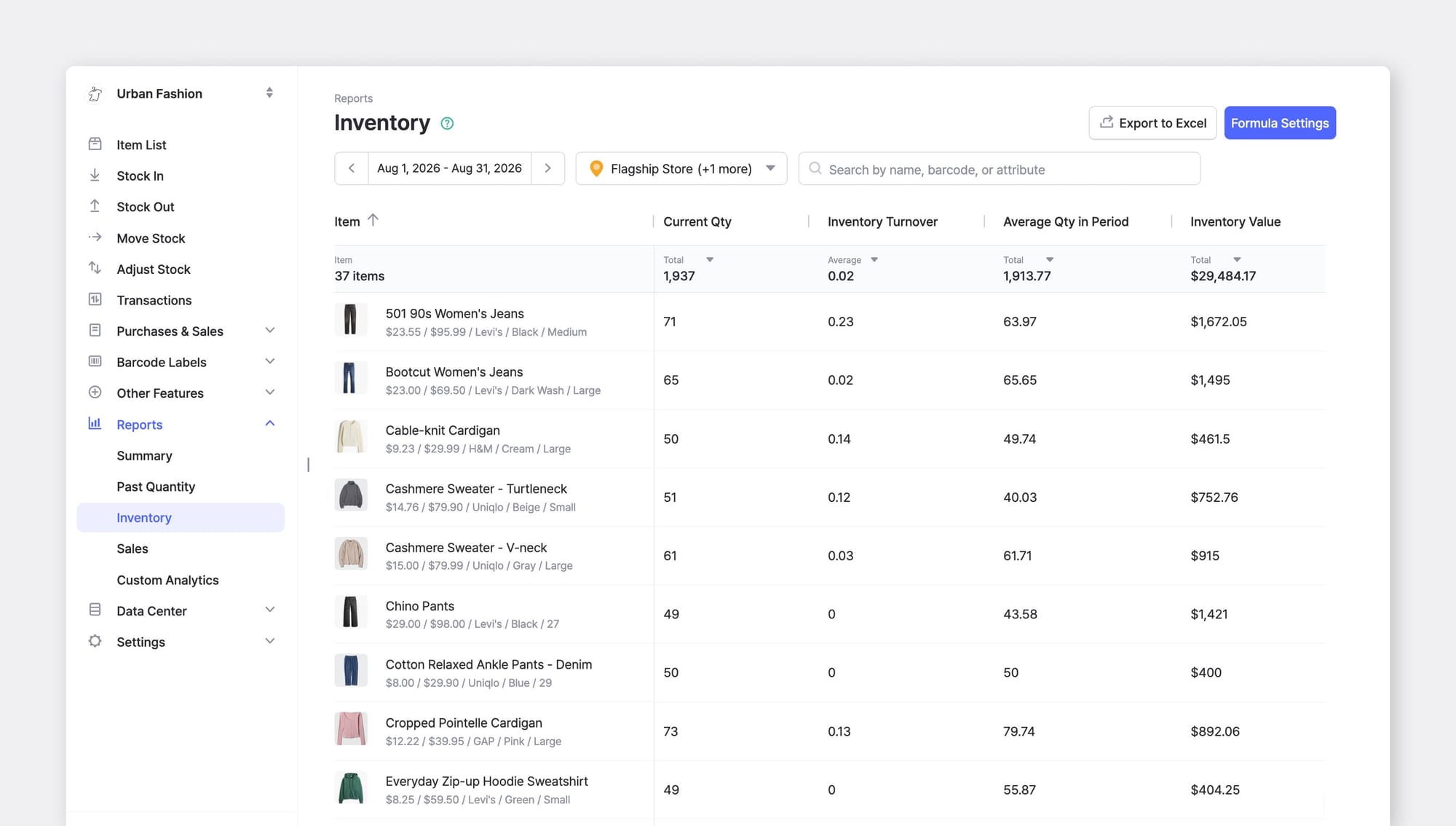
Rank your products by how fast they sell. ABC analysis sorts your catalog into three tiers by value and movement. You reorder your top sellers closely and clear the slow ones through discounts or bundles. Inventory turnover and days on hand tell you which items you're holding too much of.
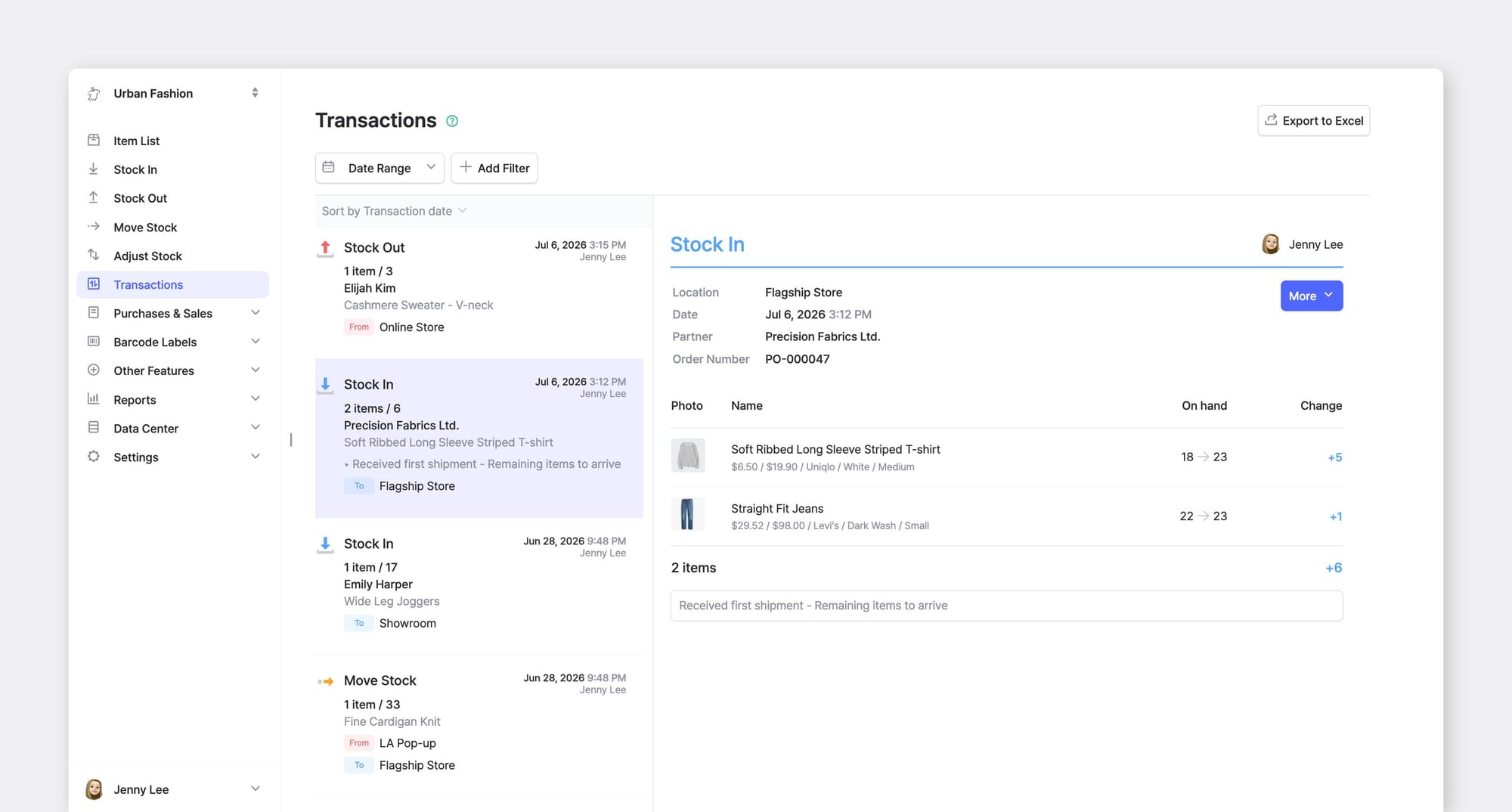
BoxHero covers this part directly. Inventory Reports gives you inventory turnover, inventory value, and days of stock remaining per item, filterable by location and exportable to Excel. Custom Analytics handles the rest: ask a simple question and the AI assistant runs it against your current stock data.
Where to Start
The methods here work on the same problem from different sides: money coming in, money going out, and money held in stock. Start with the one your business needs most. For most product businesses, that's inventory.
Try BoxHero free for 30 days. No credit card required.
RELATD POSTS
 Nahi Kim
 Ahrom Yoo
 BoxHero